

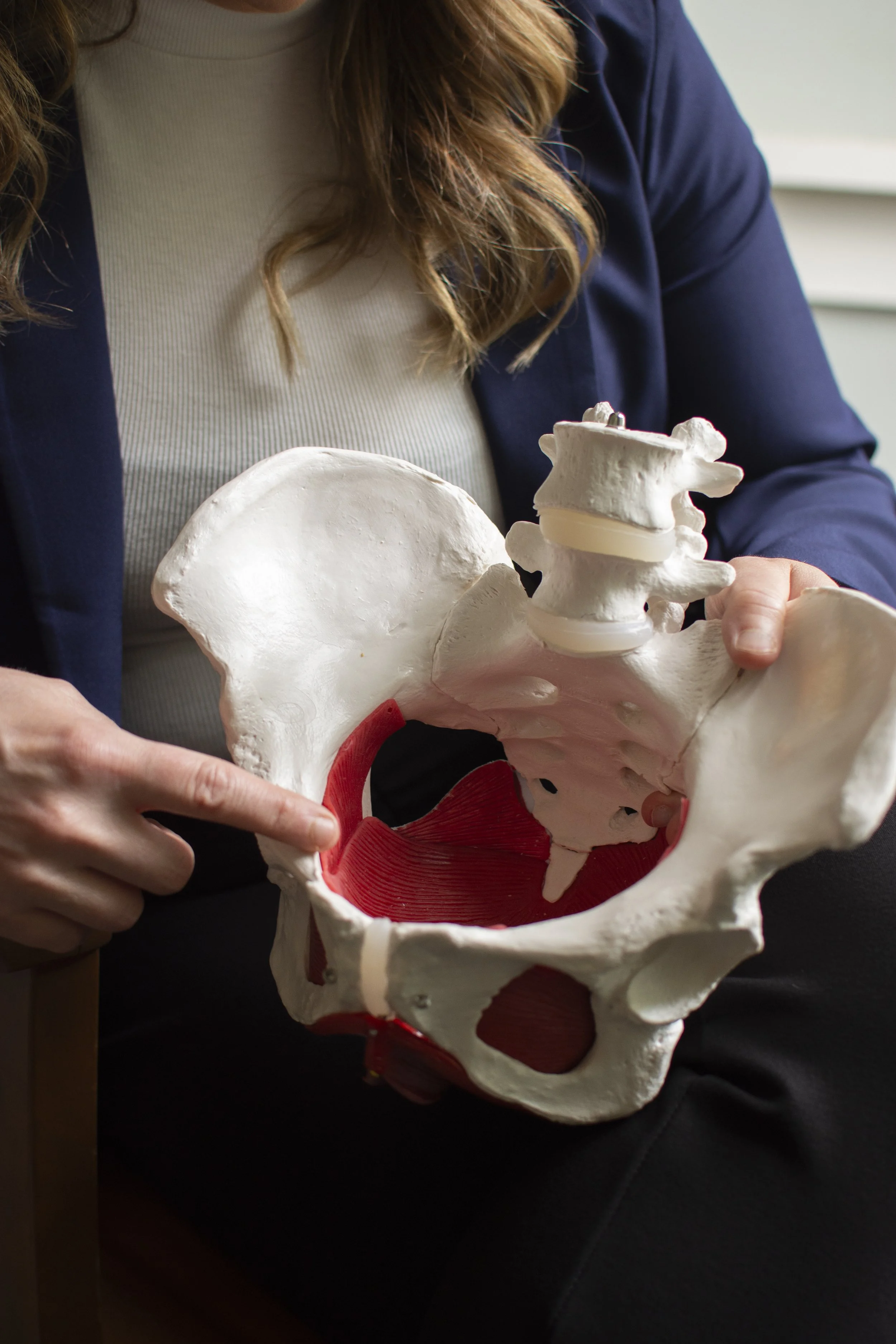
Pelvic Floor Occupational Therapy in Glens Falls, NY
Inclusive. Holistic. Human.


Hi, I’m Carissa O’Rourke, founder of Meaningful Motion Occupational Therapy, PLLC.
I’m an occupational therapist with over 13 years of experience, and I specialize in pelvic health occupational therapy for pregnancy, postpartum recovery, pelvic pain, bladder and bowel concerns, and other pelvic floor conditions.
My approach is compassionate, trauma-informed, and individualized, with a focus on helping you feel stronger, more confident, and more supported in daily life.
Services
-
Help for pelvic floor problems, pelvic pain, prolapse, and weak core muscles so you can feel stronger, more supported, and more comfortable in daily life.
-
Support for bladder leaks, frequent urination, constipation, bowel changes, and recovery after surgery, using gentle strategies that fit your body and your goals.
-
Care during pregnancy and after birth for core weakness, diastasis recti, pelvic pain, and the return to movement, exercise, and intimacy in a safe, supported way.
-
Trauma-informed support for pelvic pain, endometriosis, painful sex, and other symptoms that can affect your comfort, confidence, and quality of life.
-
Practical guidance to help with self-care, exercise, work, intimacy, and everyday activities so symptoms feel less disruptive and life feels more manageable.
Connect with us on Socials!



Frequently Asked Questions
-
Pelvic floor occupational therapy supports bladder, bowel, sexual, and pelvic health in the context of everyday life. It looks at symptoms, but also at the habits, routines, stress patterns, movement, and life roles that affect how you feel and function.
-
Pelvic floor OT and PT can overlap, but OT often focuses more on how symptoms affect daily life, self-care, relationships, routines, and overall participation in meaningful activities. That can include nervous system support, behavior change, pain management, and practical strategies for home, work, and everyday function.
-
Pelvic floor therapy can help with concerns like bladder leakage, urgency, constipation, pelvic pain, painful sex, bowel issues, and other pelvic floor dysfunction symptoms. Pelvic health providers also commonly address related issues involving posture, movement, and musculoskeletal tension.
-
No. Pelvic health concerns affect people of all genders and life stages, and inclusive pelvic health care can support a wide range of bodies and experiences.
-
Yes. Trauma-informed care is especially important in pelvic health, and providers in this field commonly work with people who have medical, sexual, or physical trauma histories, with comfort, consent, and safety guiding care. Pelvic therapy can also support people living with chronic pelvic pain and related conditions.
-
A first visit usually includes a conversation about your symptoms, goals, health history, and daily life, along with observation of movement and other relevant body systems. Pelvic health evaluations may include discussion of internal assessment, but that is not automatically required.
-
No. Internal pelvic floor assessment can be helpful in some cases, but it is never a requirement for therapy, and clients can decide what they are comfortable with.
-
Yes. Many people feel vulnerable talking about pelvic health, and trauma-sensitive providers are used to moving at your pace. You can communicate preferences, ask questions, and defer anything that does not feel right for you.
-
Telehealth pelvic floor therapy is done through secure video sessions and can still include education, symptom assessment, movement observation, behavioral strategies, pain management, and personalized home support. Virtual pelvic health care is commonly used for convenience and access from home.
-
Yes, for many people it can. Pelvic health care often includes education, movement coaching, habit and routine support, symptom tracking, and guided exercises or strategies that translate well to virtual sessions.
-
The number varies based on your goals and symptoms, but pelvic health programs often involve a series of visits over time rather than a one-time session. One university pelvic health center says many patients are seen for about 6 to 12 visits, though some need fewer and some more.
-
No, we are private pay only. We do not bill insurance directly, but we can provide a superbill for possible out-of-network reimbursement, depending on your plan.